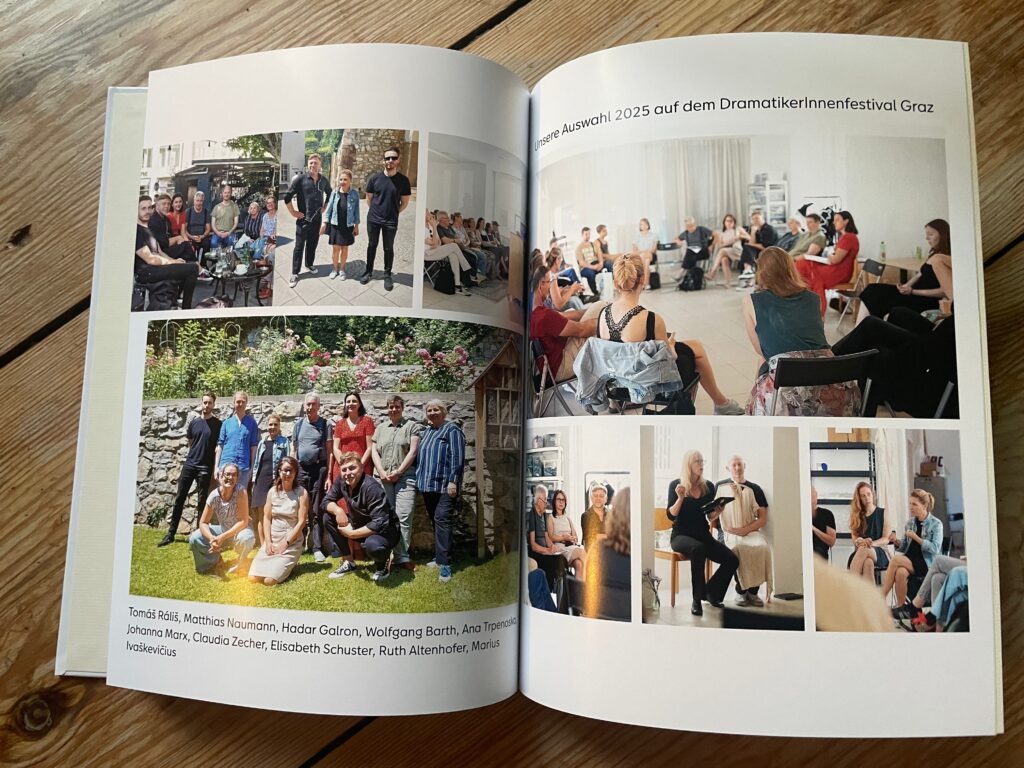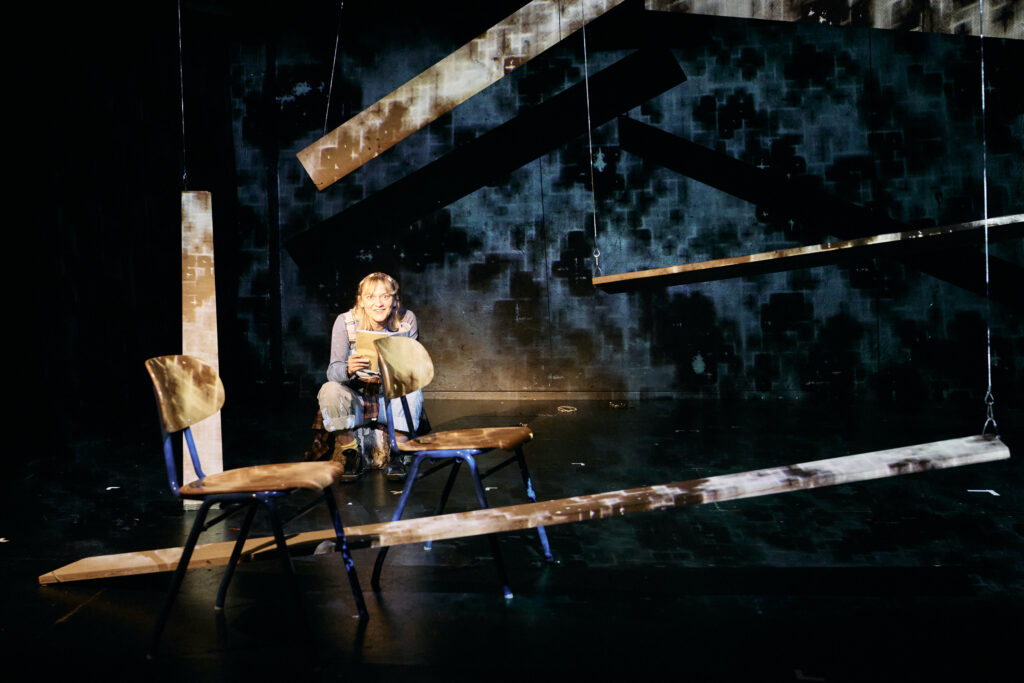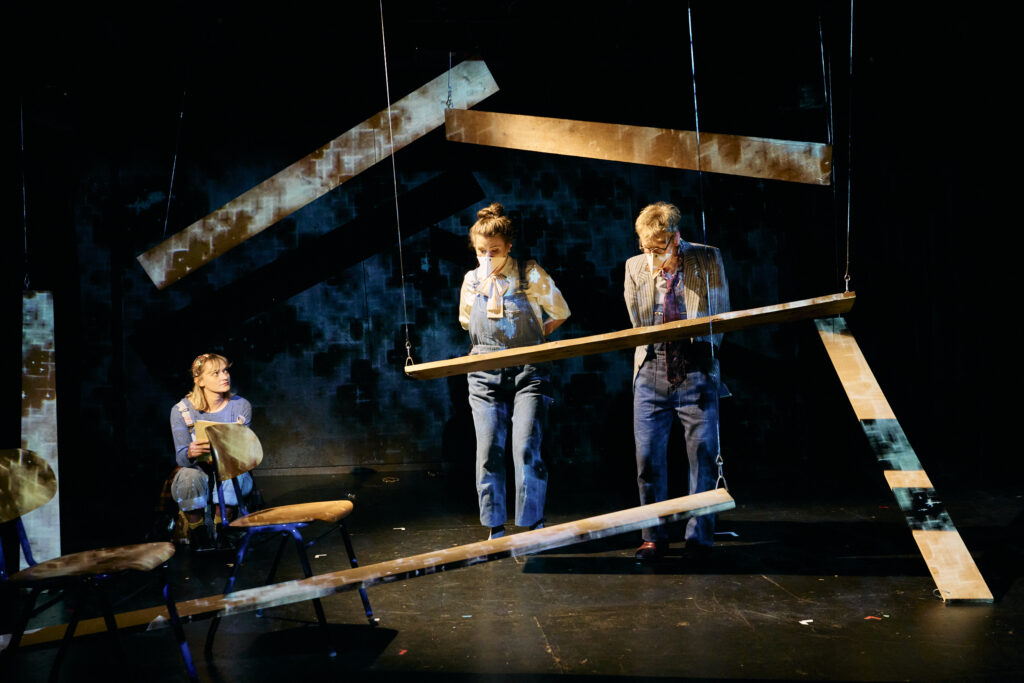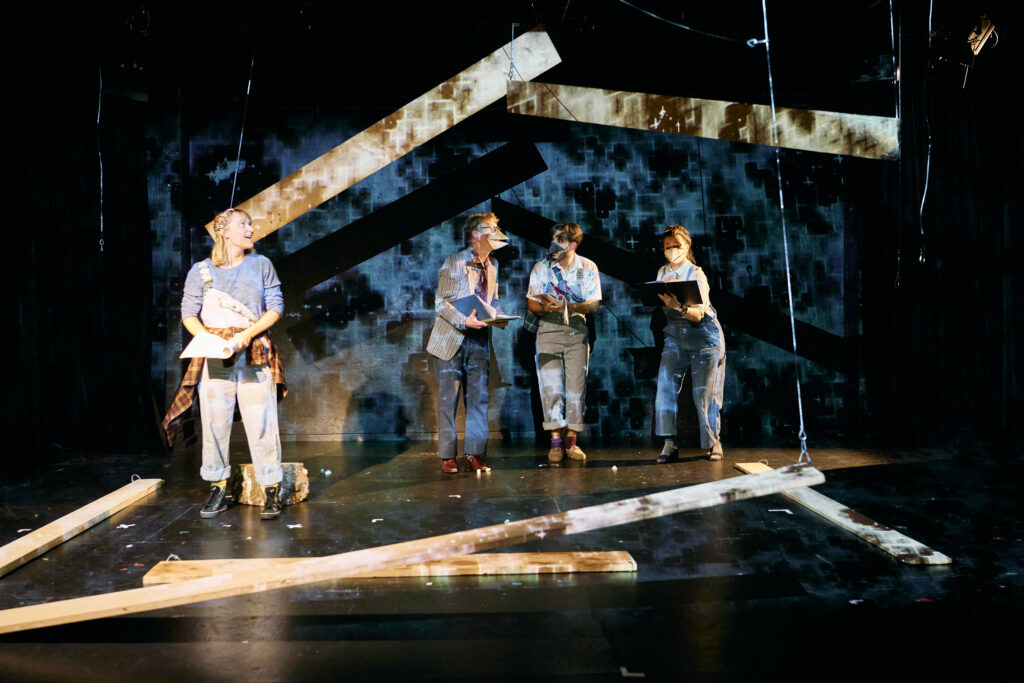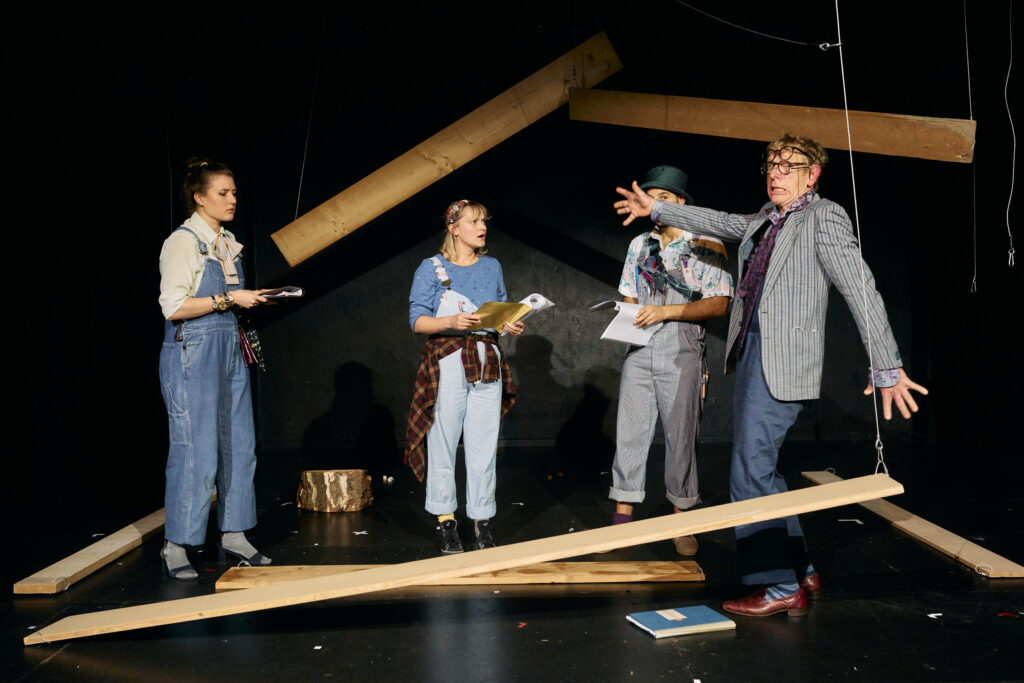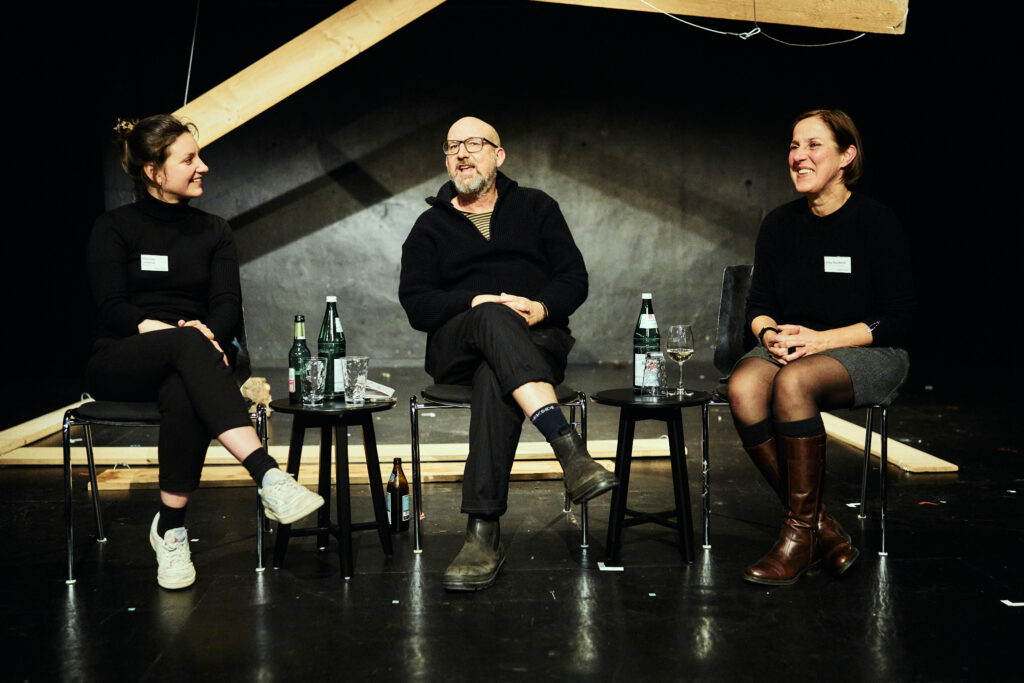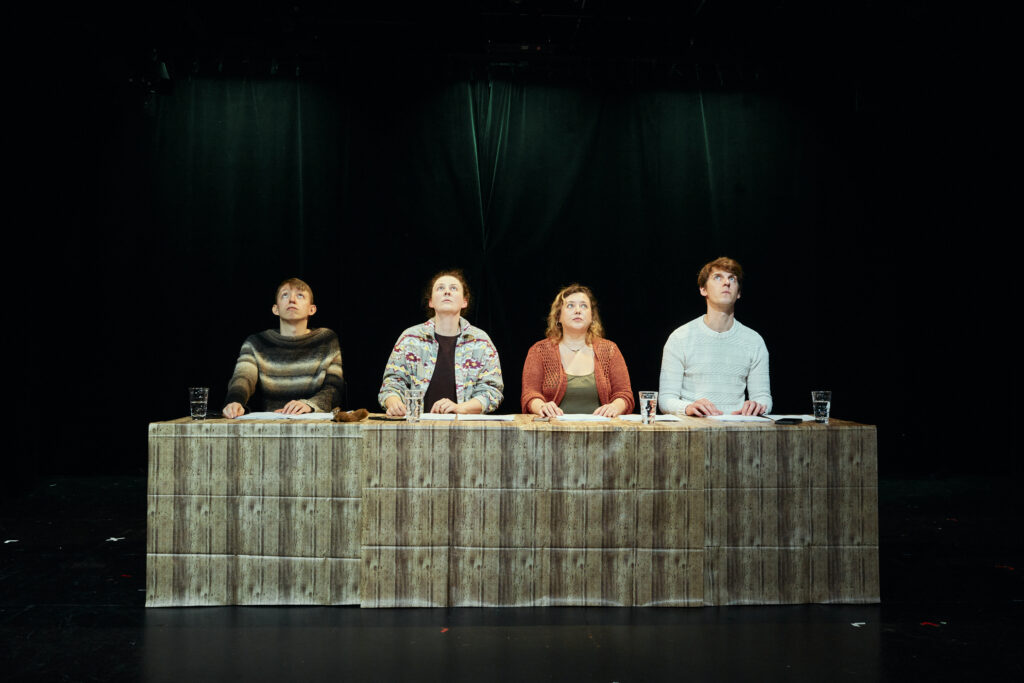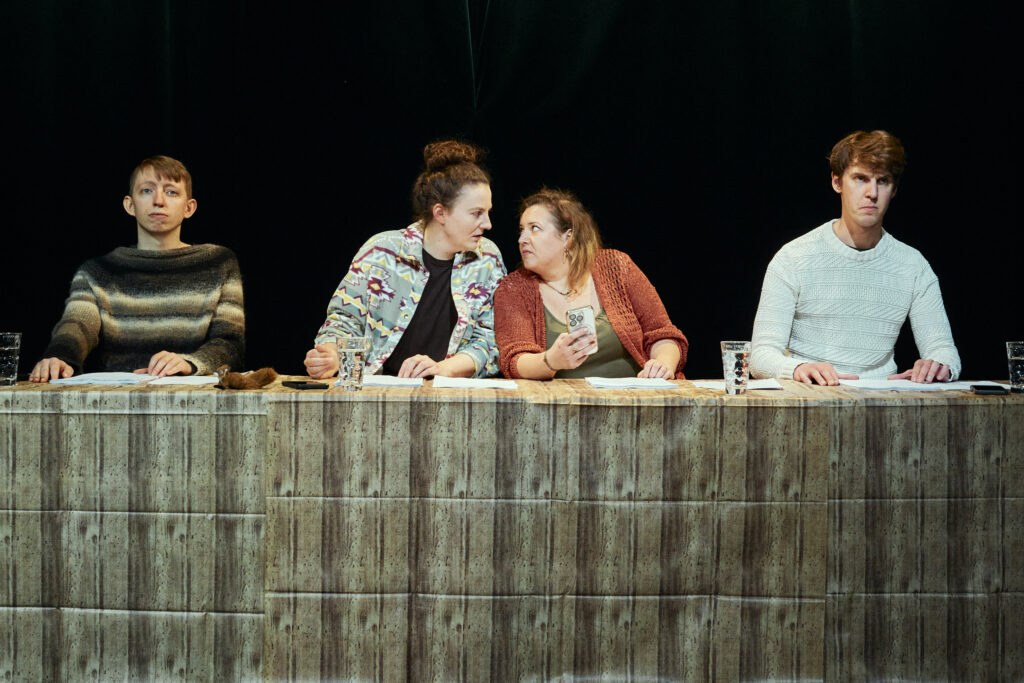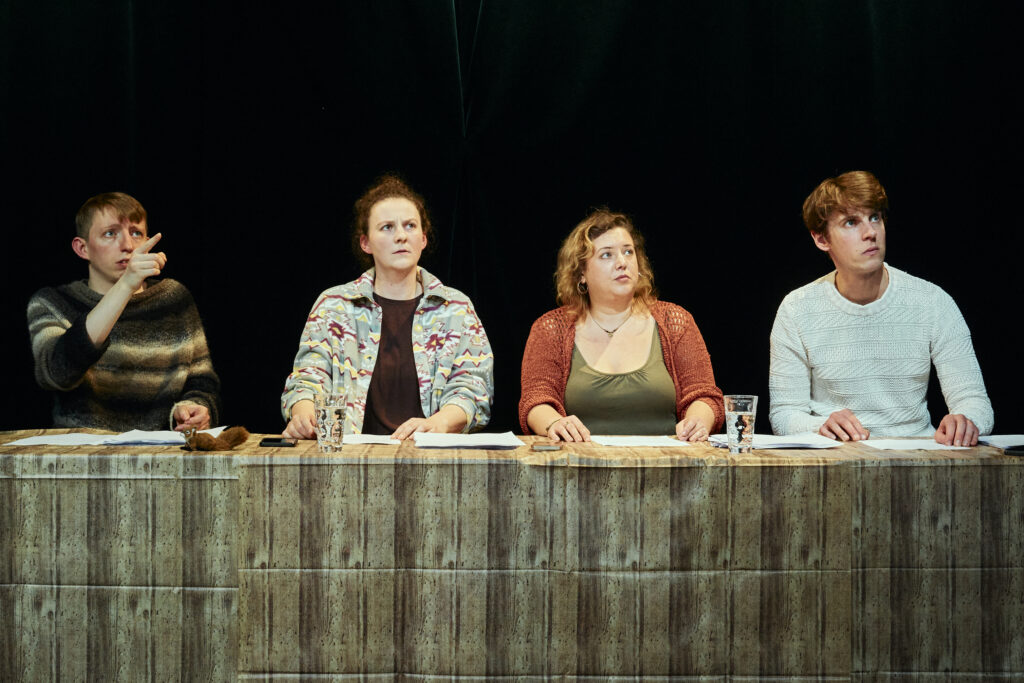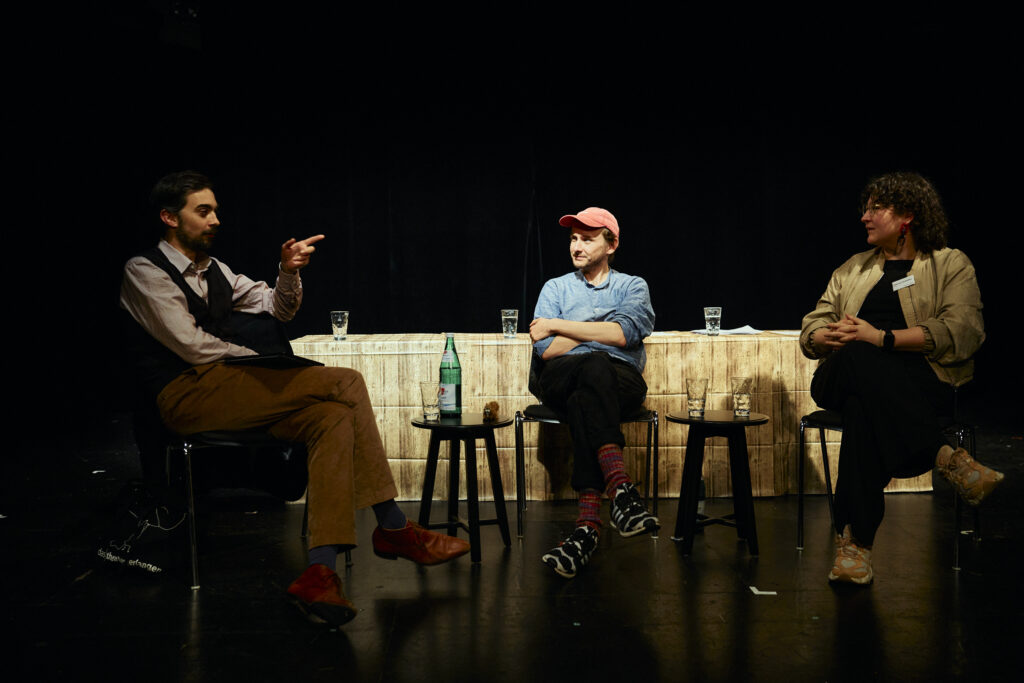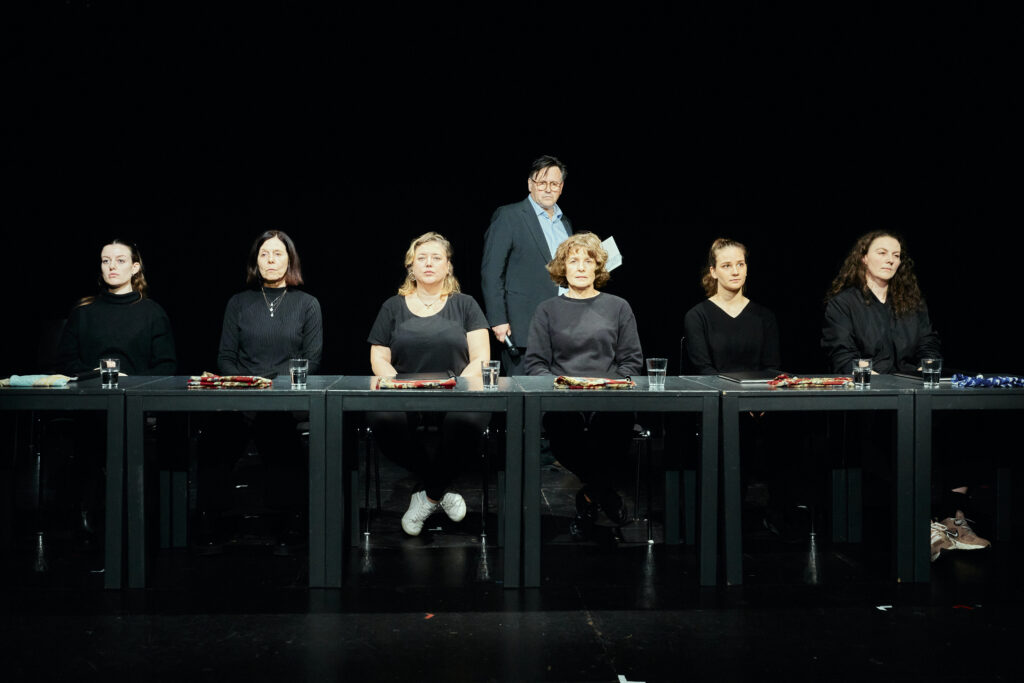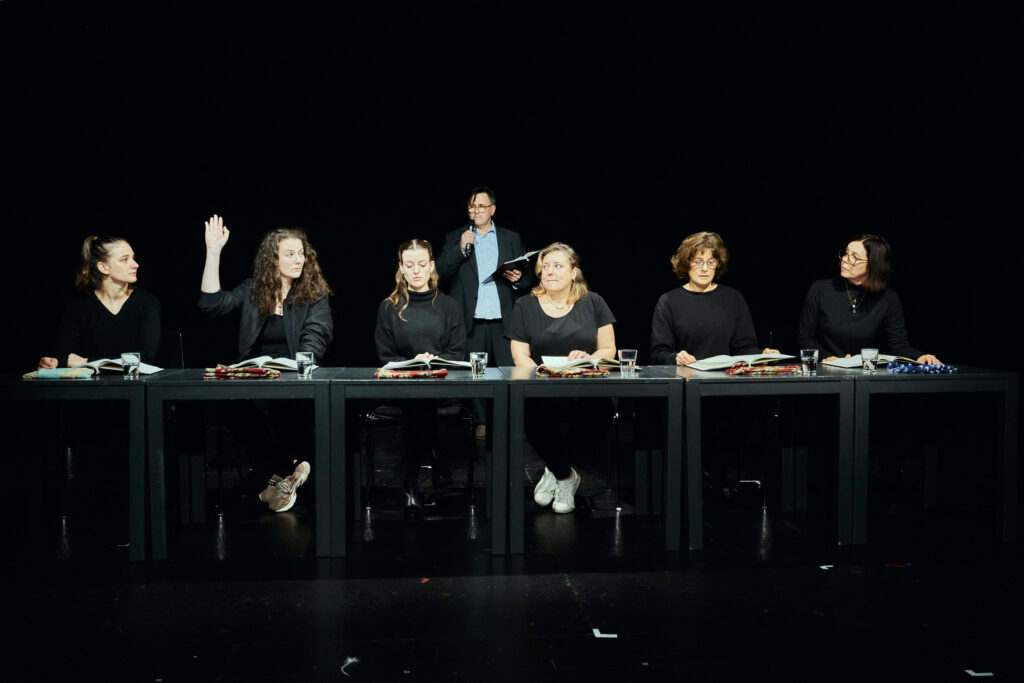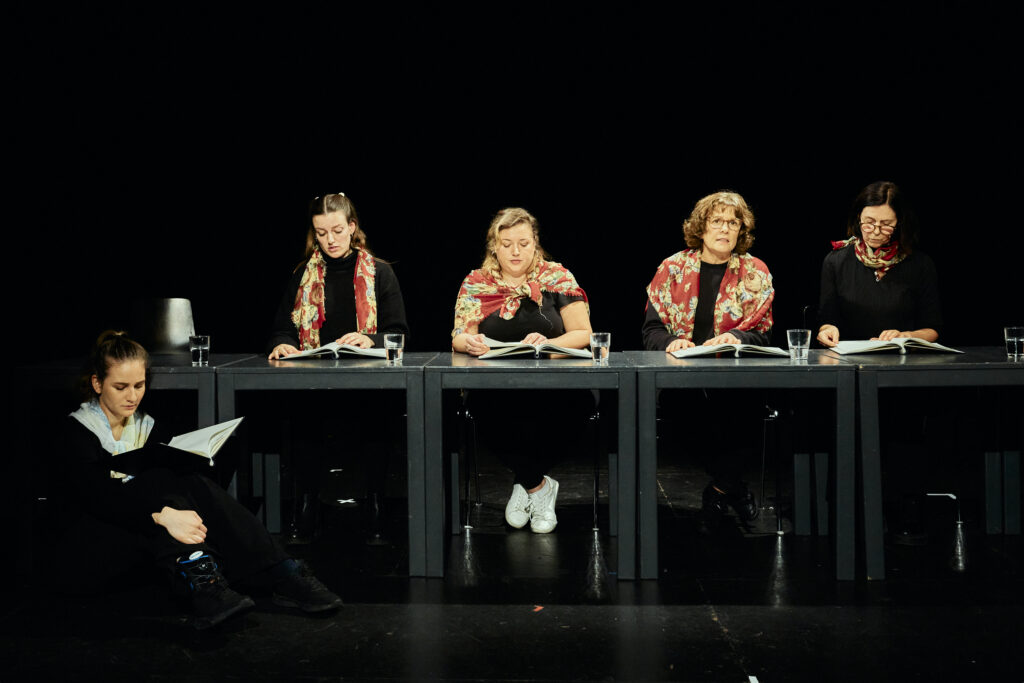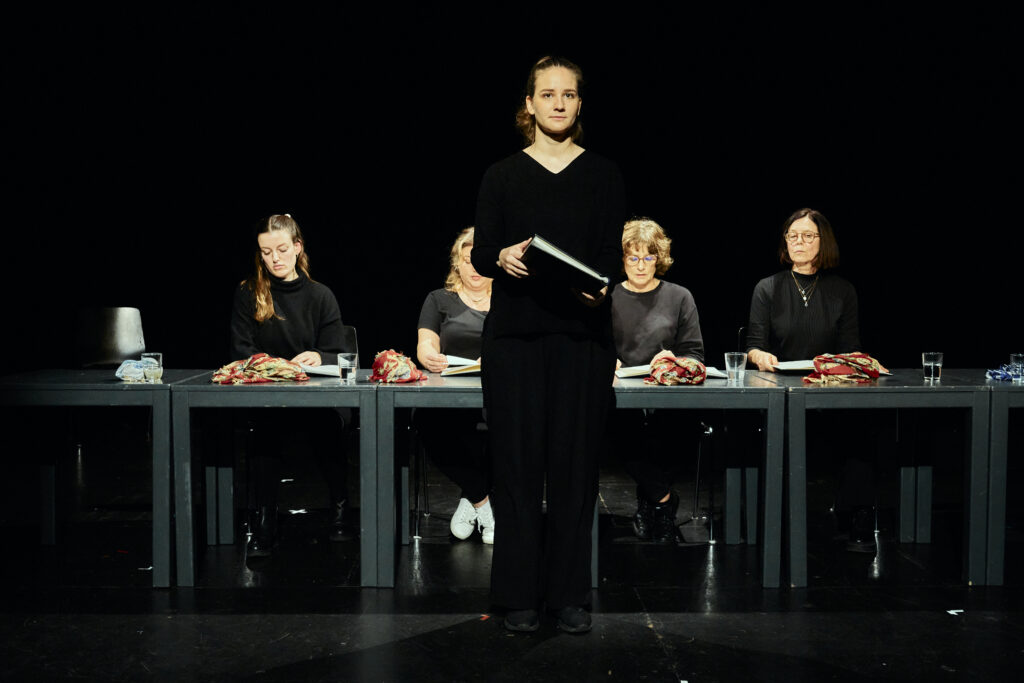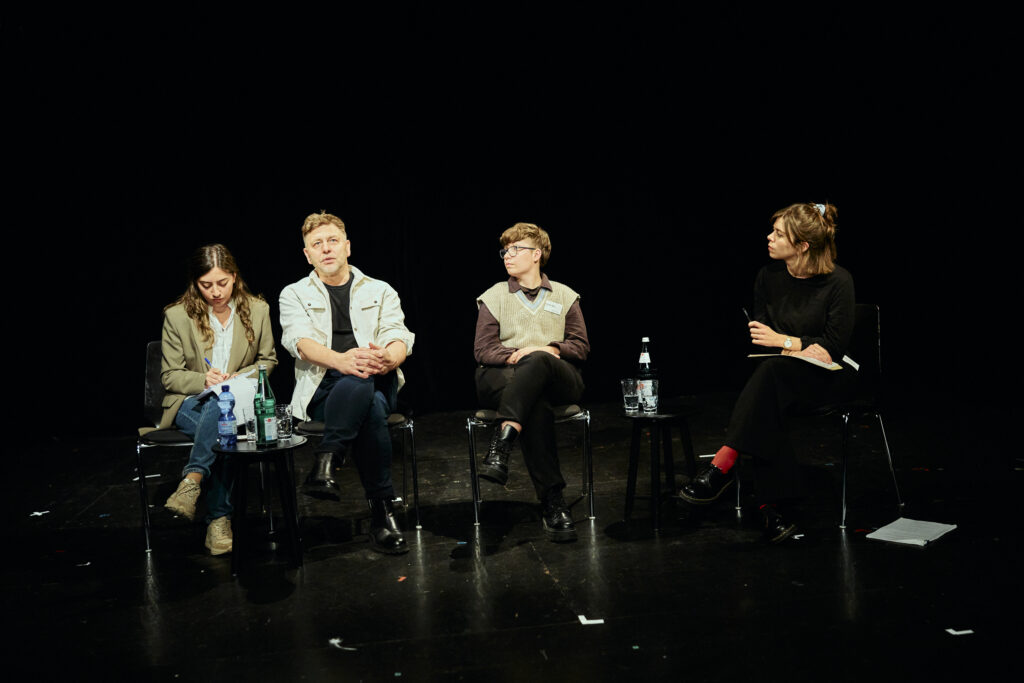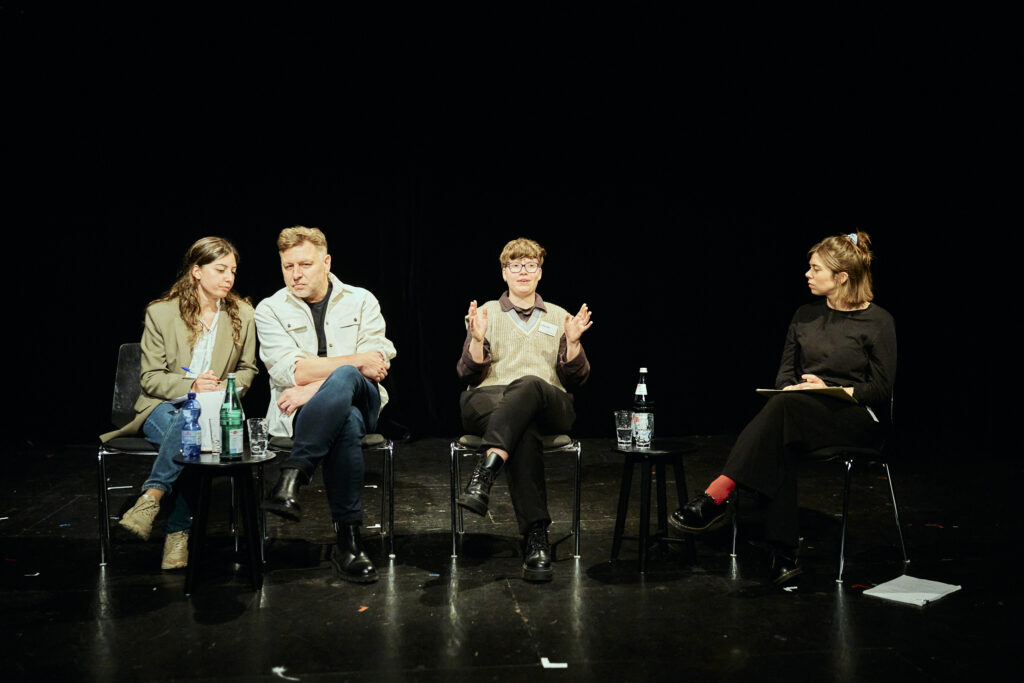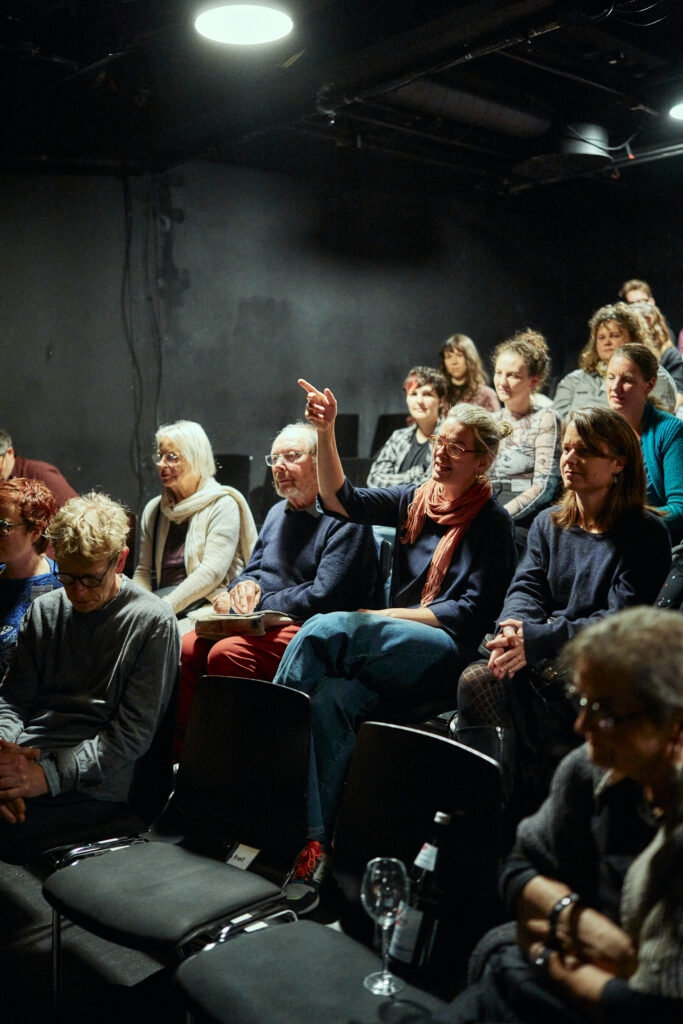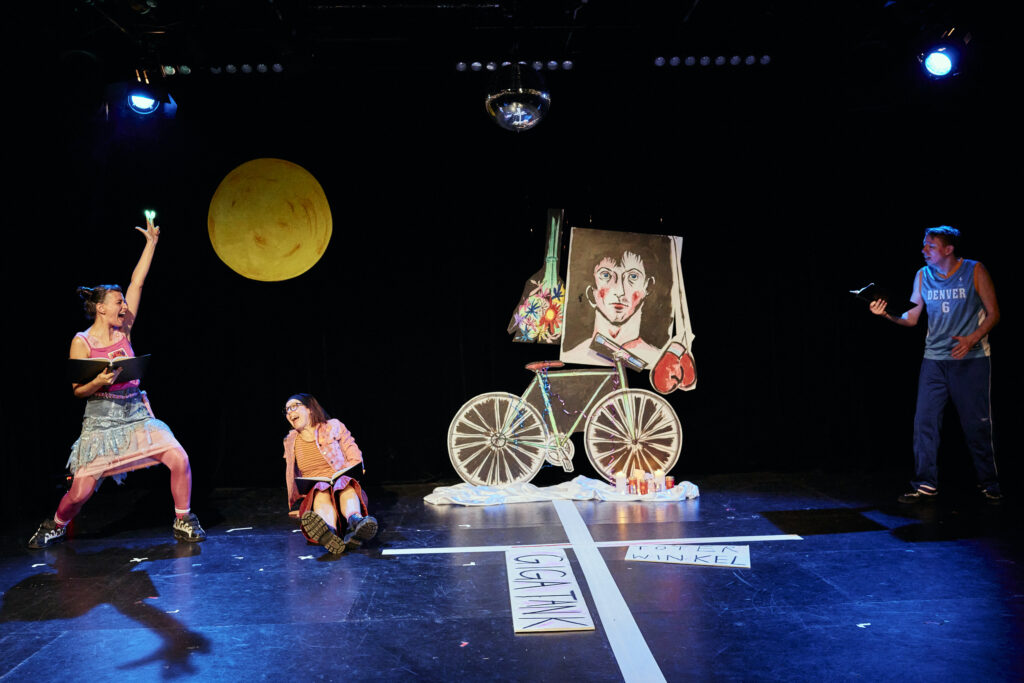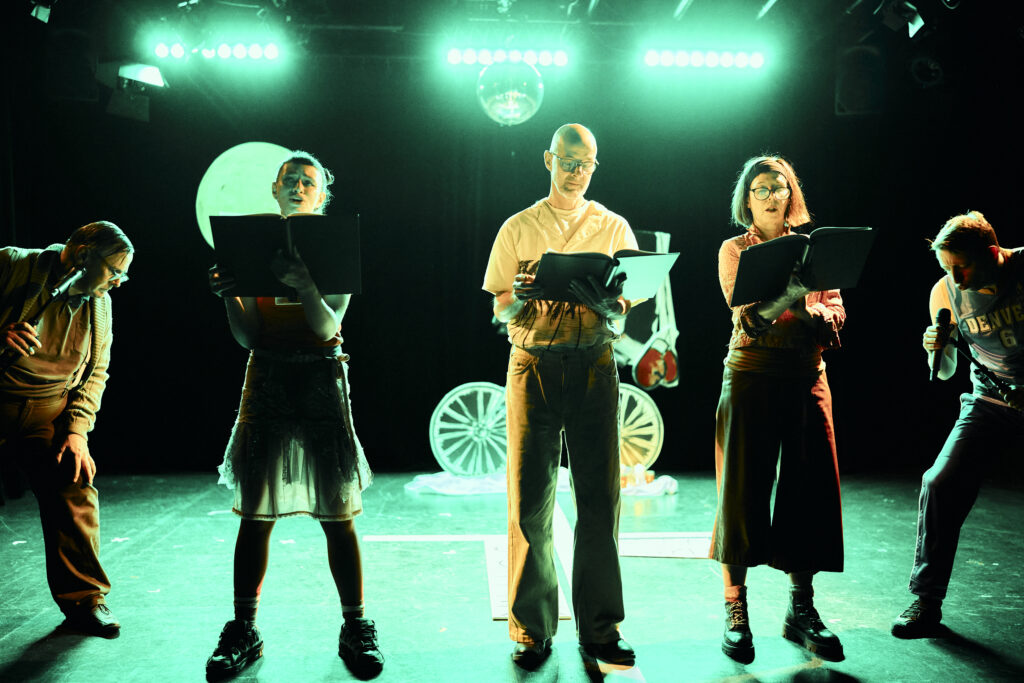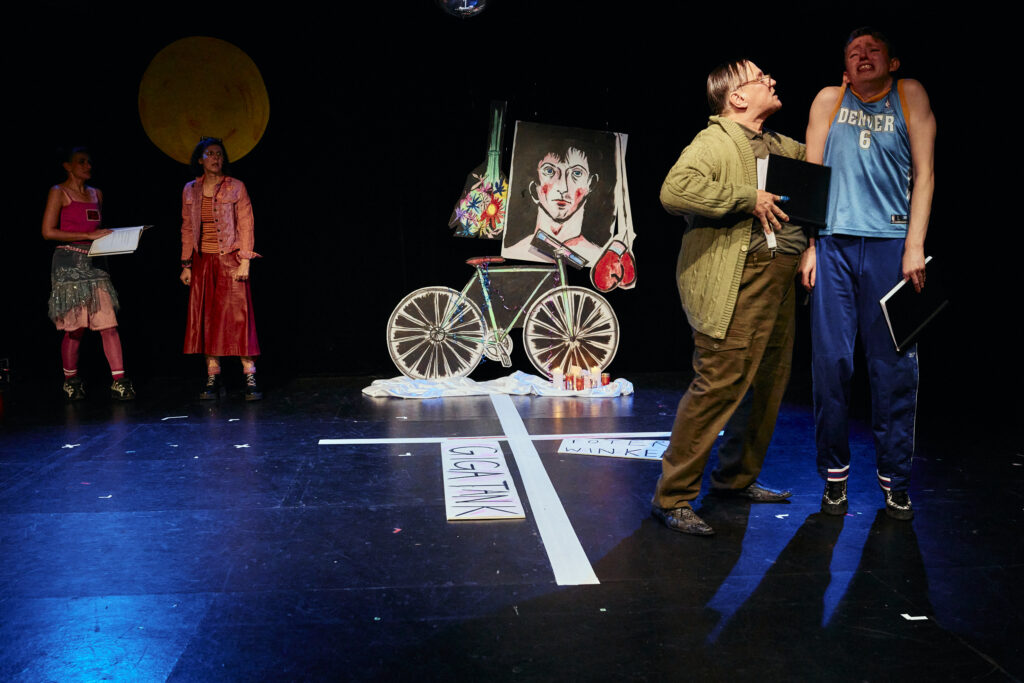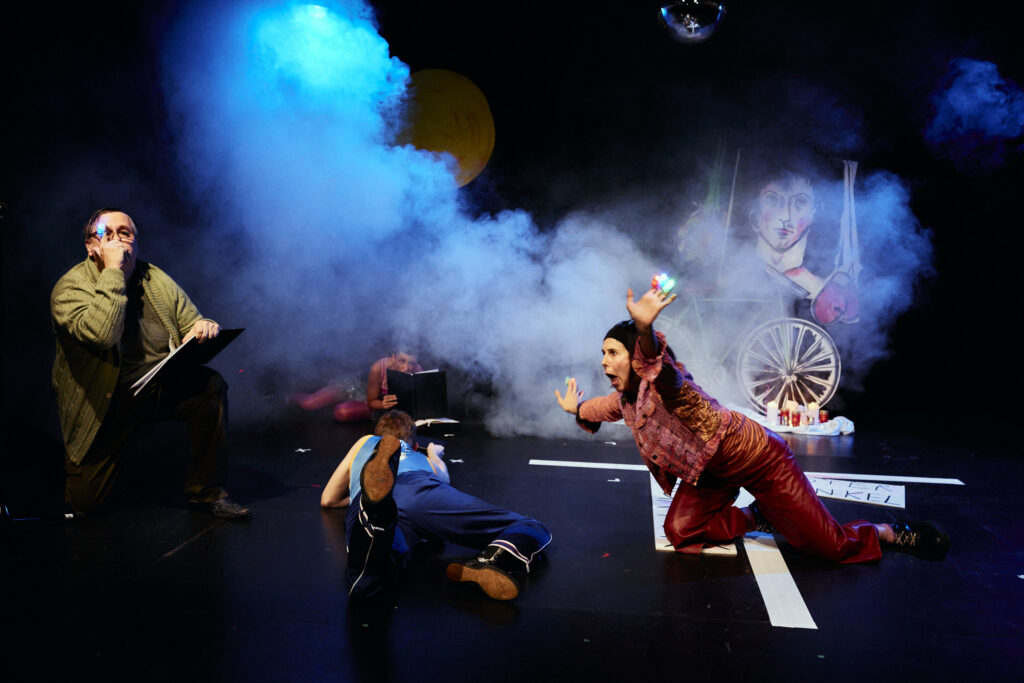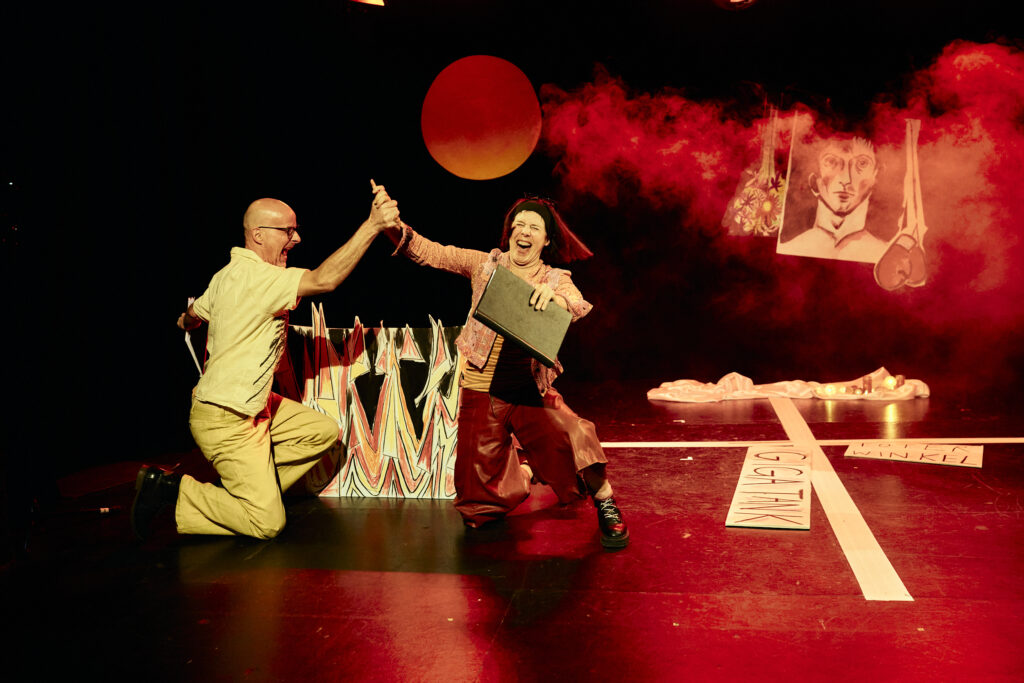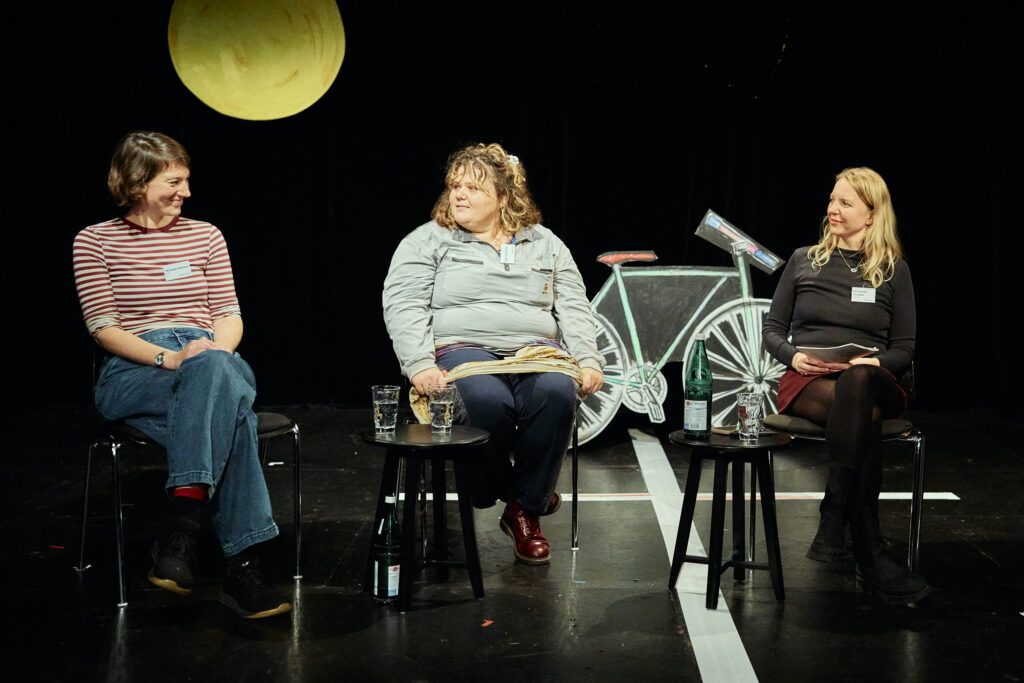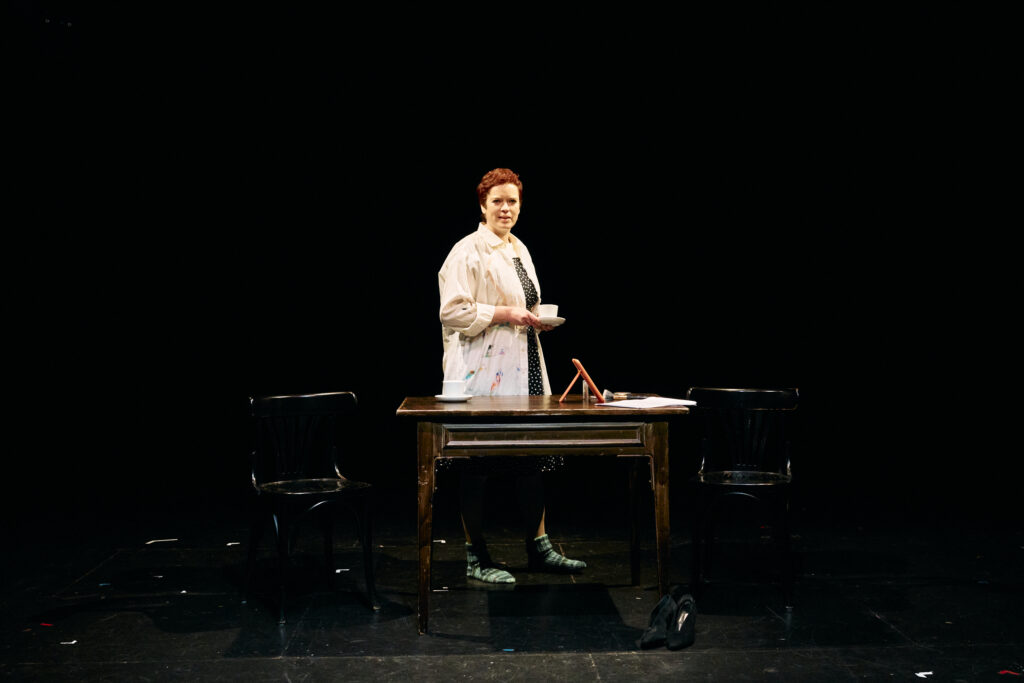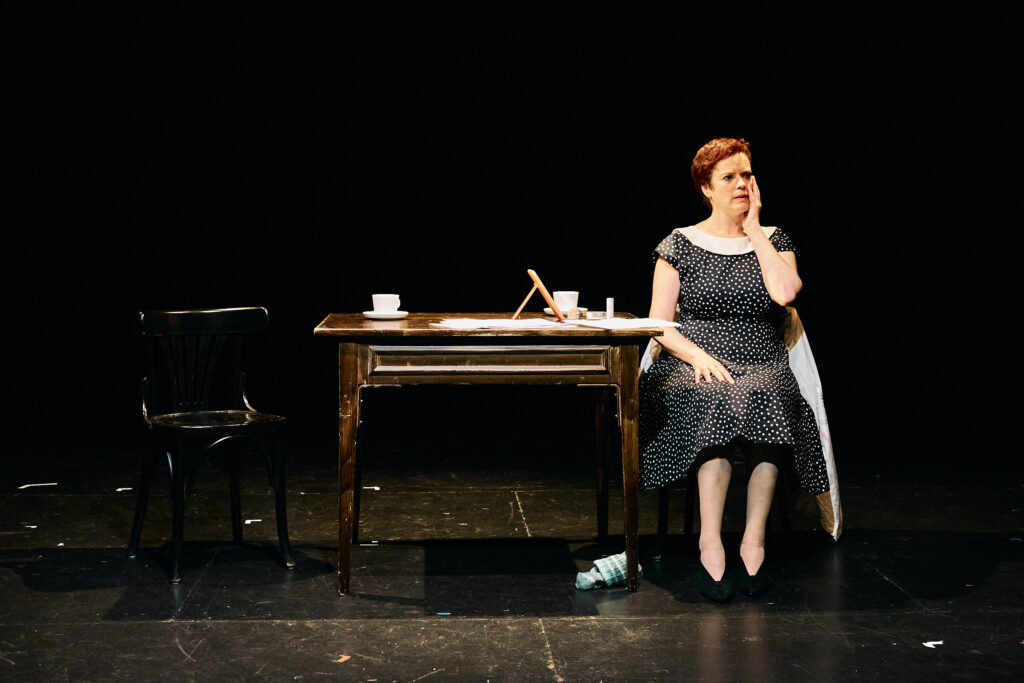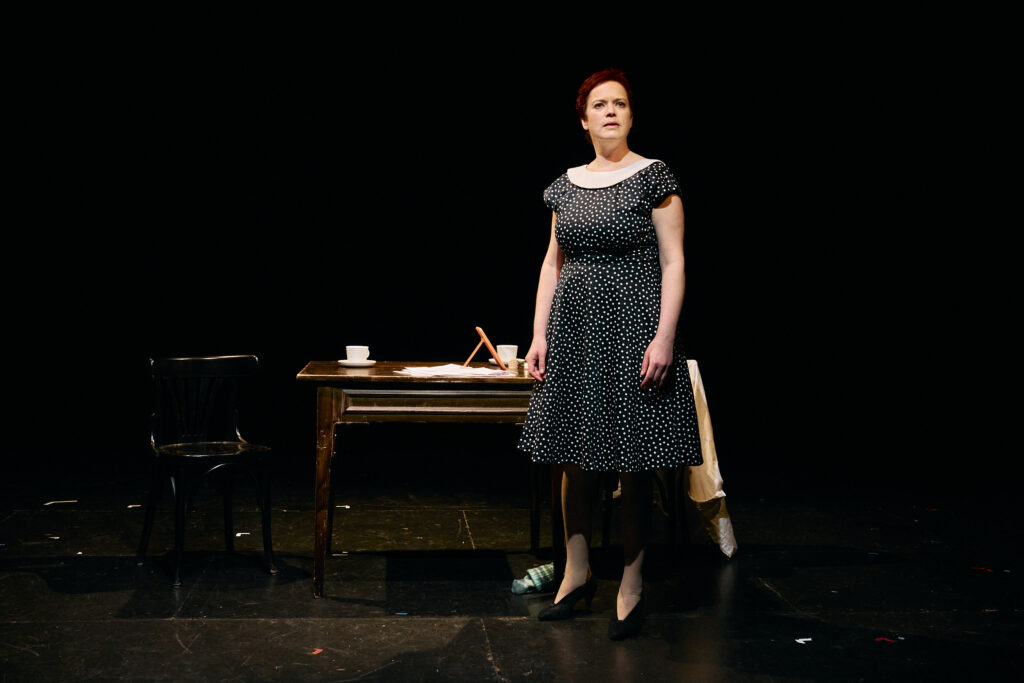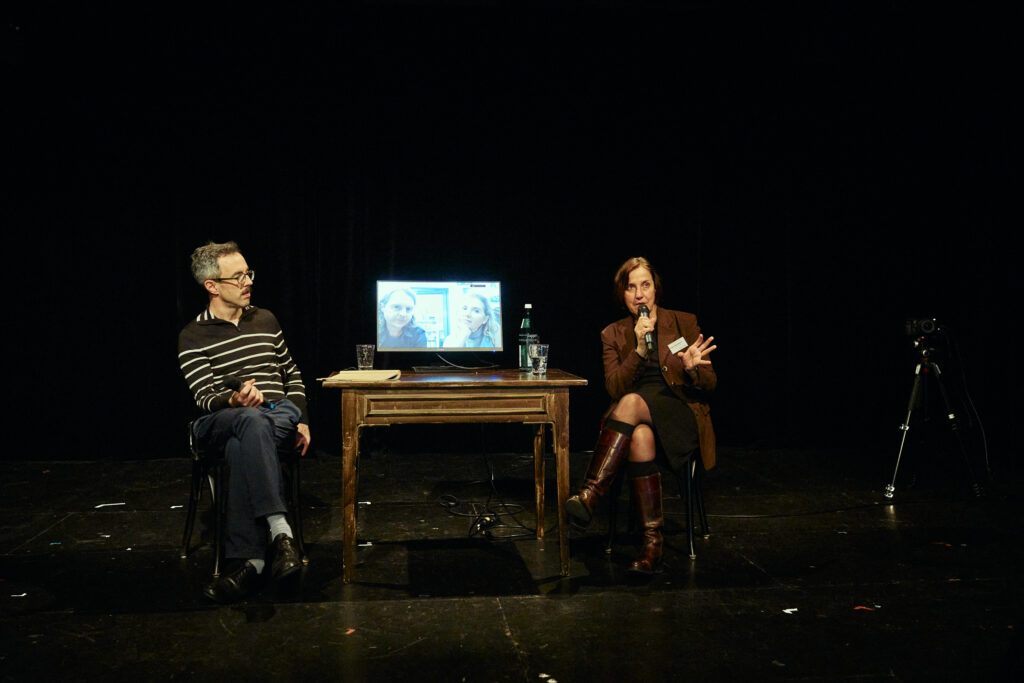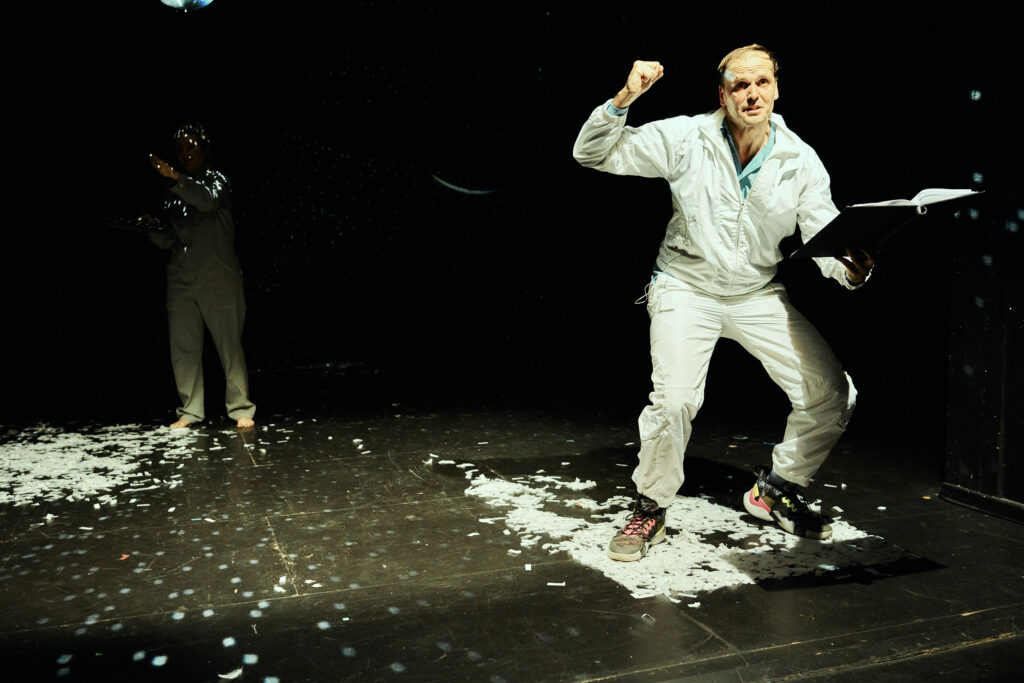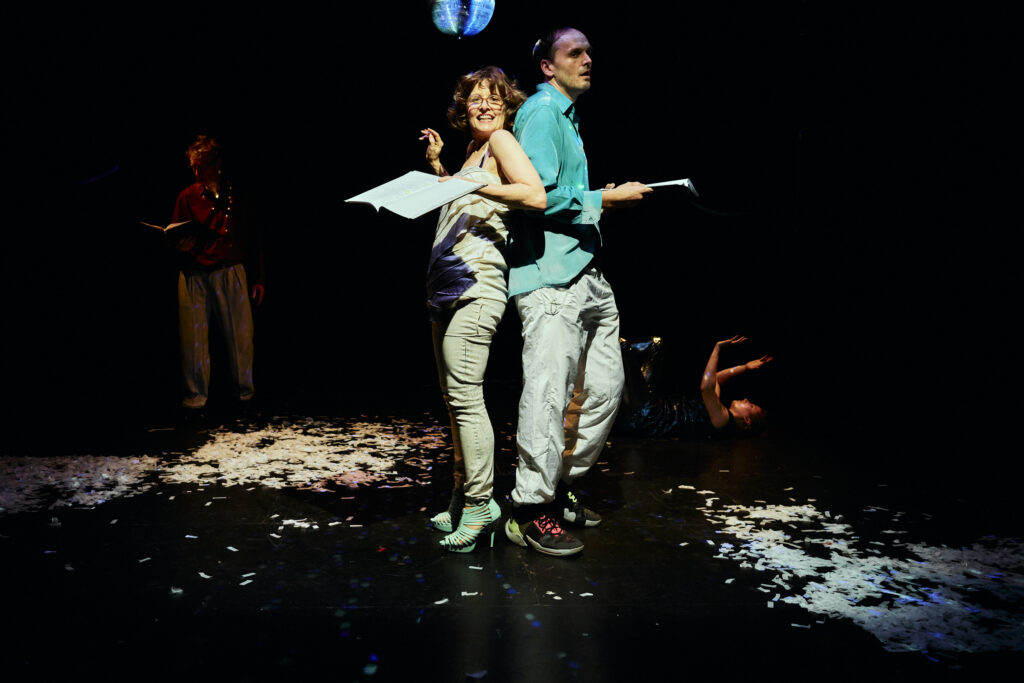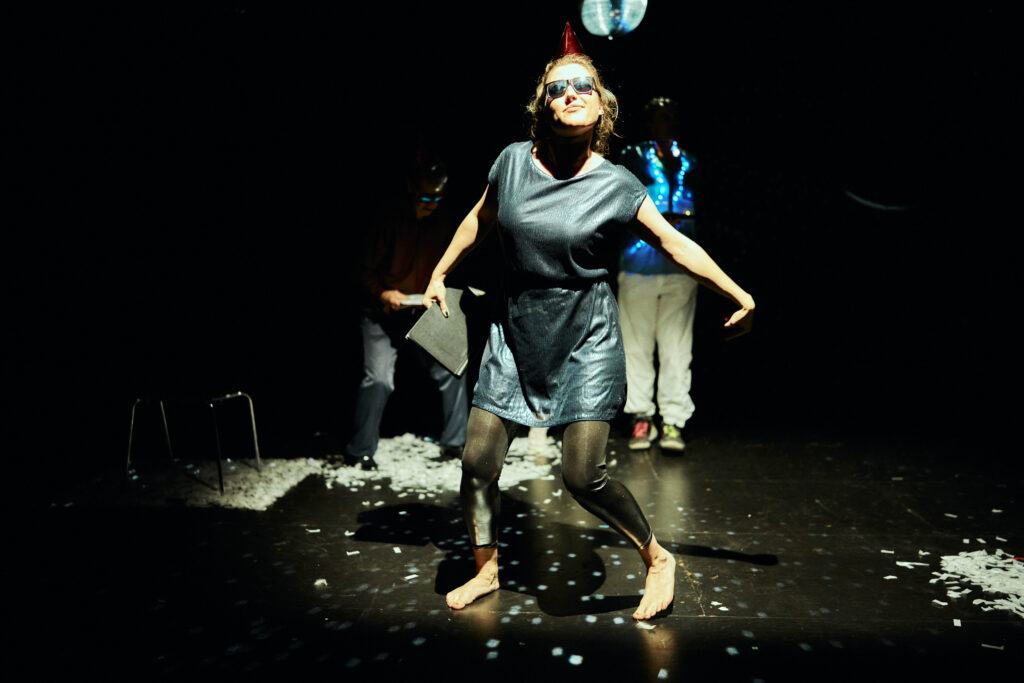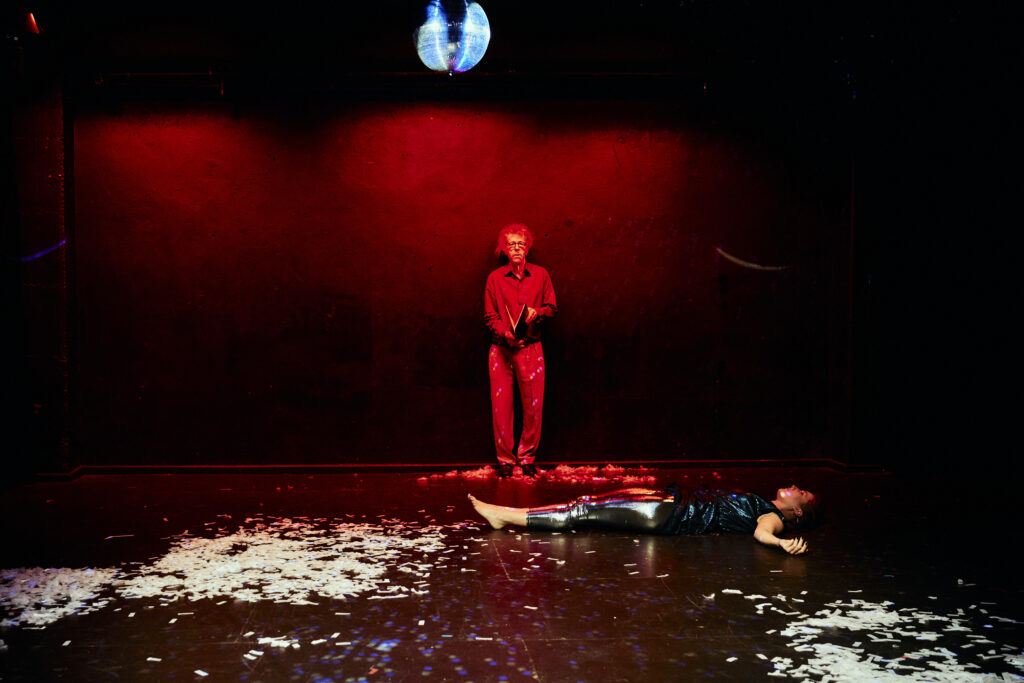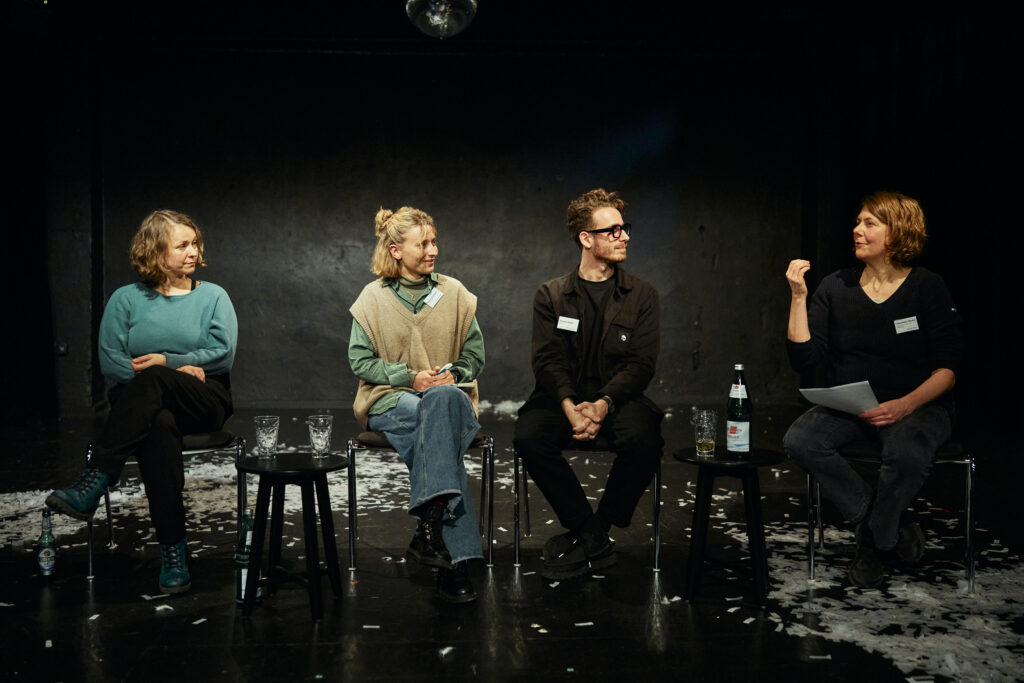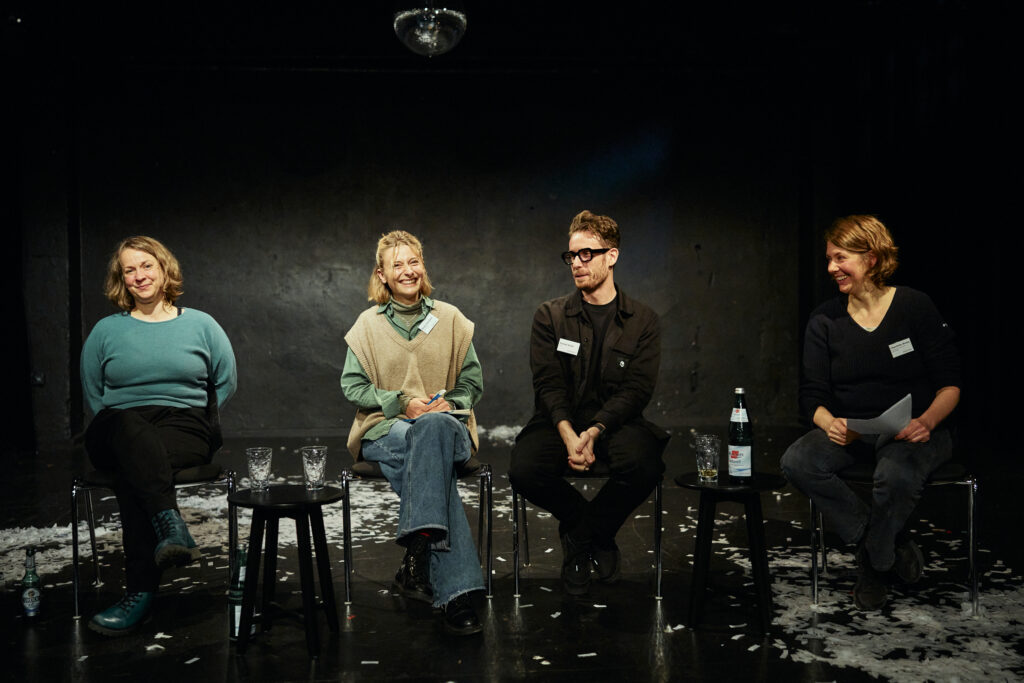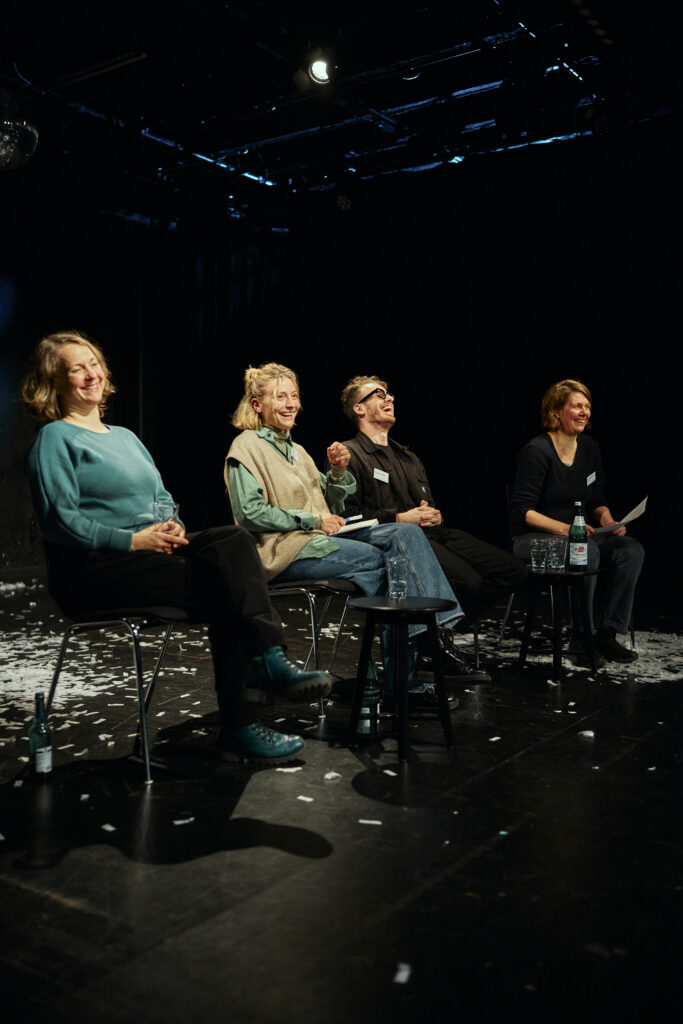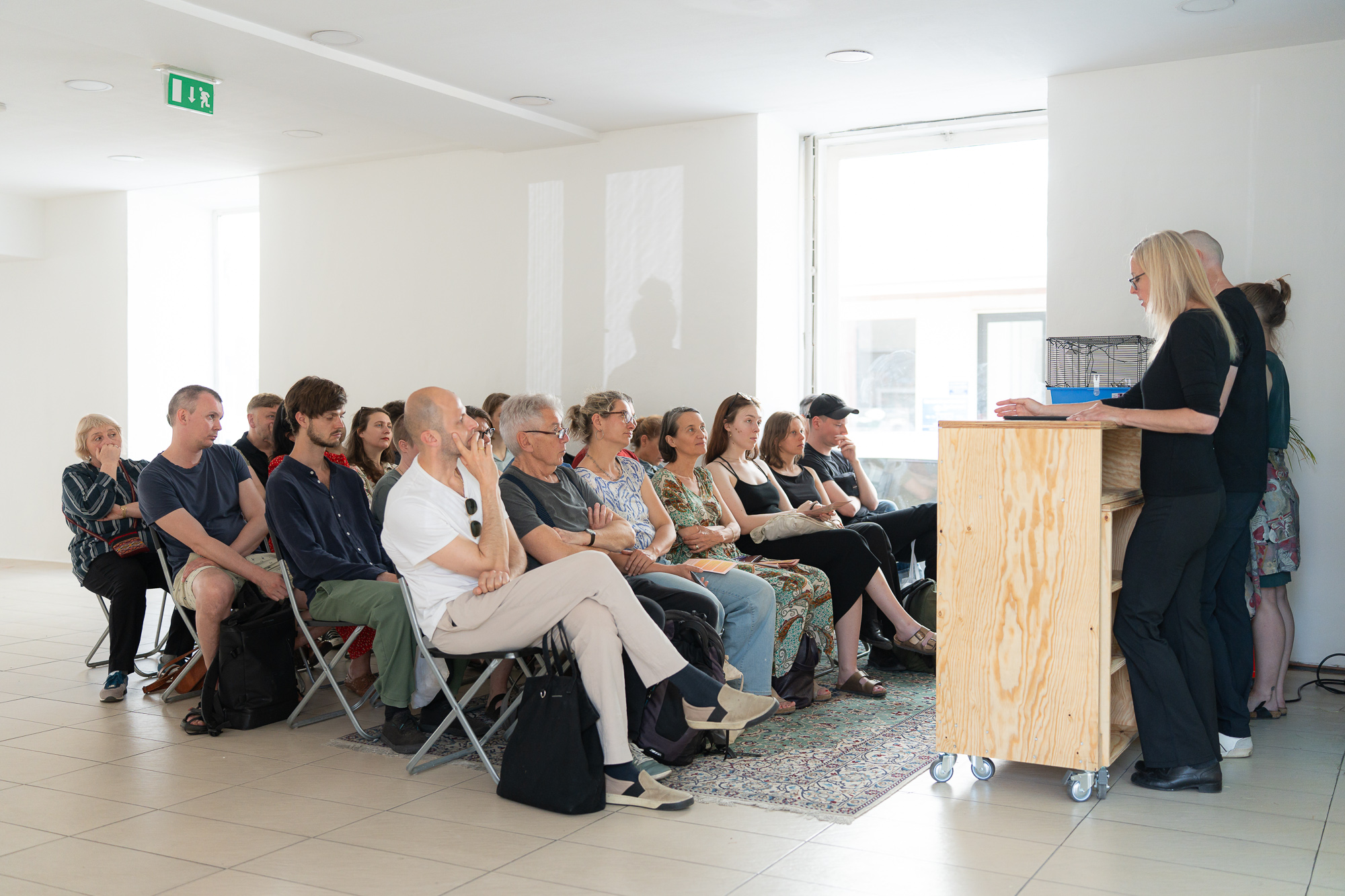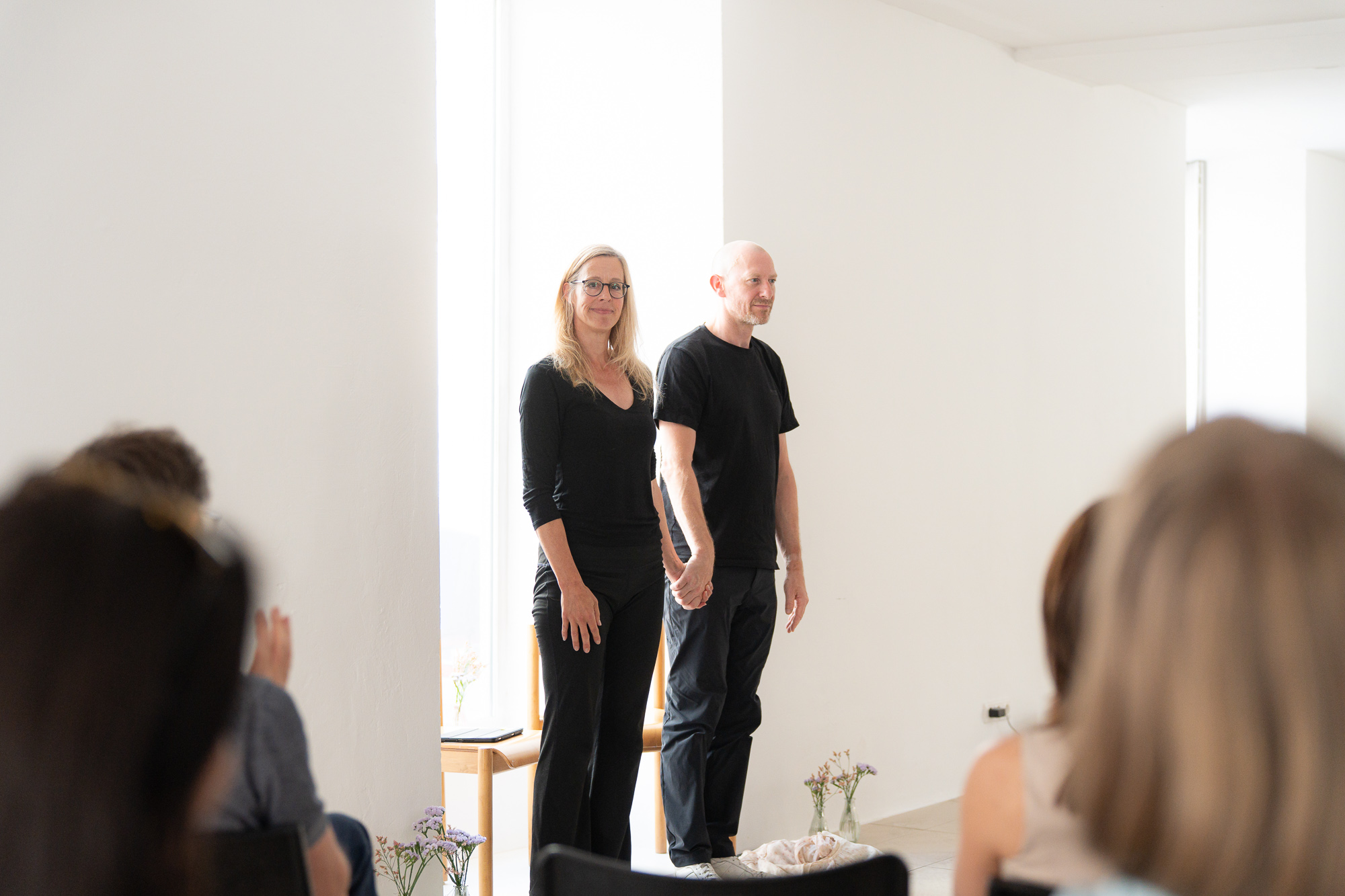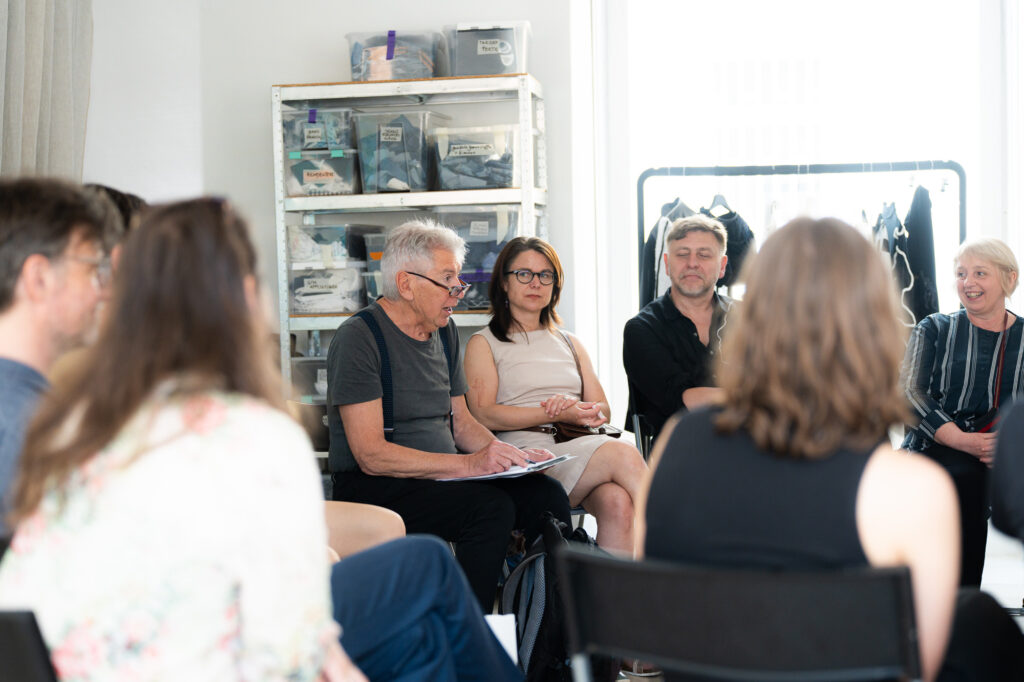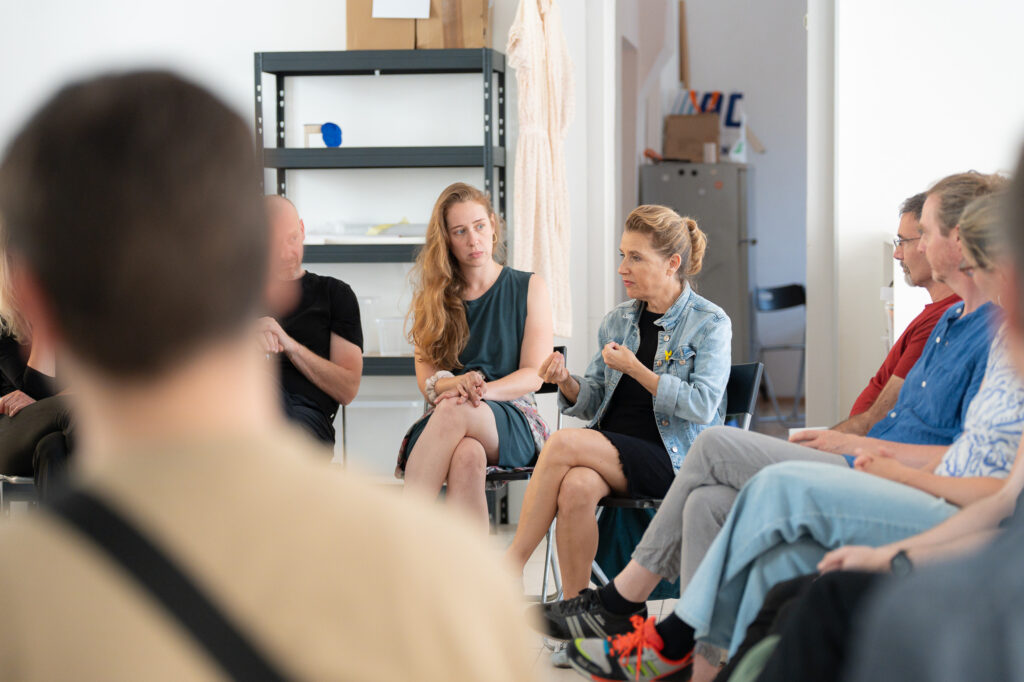
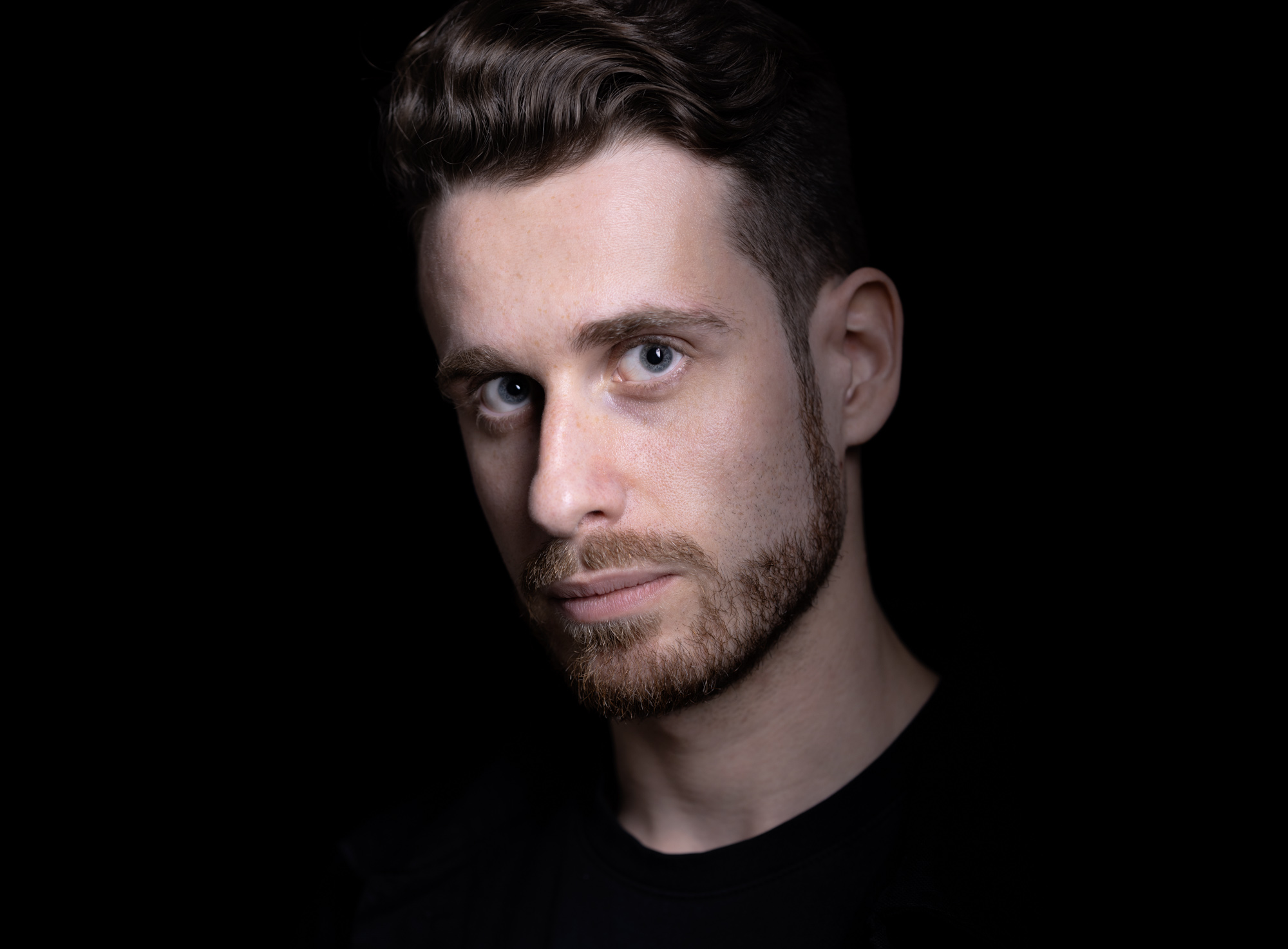
Elisabeth Schuster from Eurodram is interviewing the author Tomáš Rališ.
ES: Tomáš, you are from the Czech Republic. For the first time we are selecting a text of yours, and this text is called Sorex. And of course, I’m getting associations like Of mice and men (John Steinbeck), because of the mouse in the title. In one passage of your play a shrew says: “We only ever run in circles. Poop, eat, sleep for an hour, sometimes two. And then all over again. We eat as much as we weigh every day, and why? For these few months? To rummage, rummage, rummage, keep running to get our fill.“ Are we shrews trapped in a meaningless, short life?
TR: Yes, sometimes I see it like that. But in the play there is some sort of appeal to change it, to make it different. I used the Latin name for Spitzmaus (shrew) as the title. Because I guess it was a decent analogy. It’s an analogy to human life when it’s only focused on career and to make your living. It’s a social struggle play, focused on underprivileged people who just make money, need to do that, and they are exploited by agencies who find them jobs.
ES: You are talking about the characters Frema and Frem?
TR: Yeah, Frema and Frem.
ES: The Gastarbeiter (foreign or migrant workers in West Germany from the 50s on) identity: I thought when I was reading your text, you were talking about the German reality. And it’s very interesting that you are actually talking about the Czech reality of today.
TR: It’s getting better, I must say, because of legal changes in the Czech Republic, but it’s still a big topic for me. And I see it as a German-Czech topic. My hometown is near the German border in the Ústecký kraj (Aussiger Region), where many people worked in the Gastarbeiter scheme.
ES: In your play it is not only the Gastarbeiter-couple Frem and Frema who are underprivileged. The Czech couple Hem and Hema also live a precarious life. Do you draw from personal experience when you write these characters?
TR: I had a really strong moment of realization when I saw which part of the country I grew up in, and that the people competing in big struggles were actually from my neighbourhood. I was traveling in the evening from Prague for the weekend to see my family. I had missed my afternoon bus, so I was traveling the whole evening with the small buses to get from Prague to my hometown. And one of them was from the industrial center, outside the city, outside the town. There were just factories, and big, big companies. I was traveling to my hometown in a bus with Gastarbeiter. And I was speaking with them a little bit and carefully listening to the sound of tiredness. I was really interested and one of the scenes of the play is written from this experience.
ES: The scene in the bus.
TR: Yeah. So, this was the first material I had.
ES: And from there –
TR: And maybe it’s also influenced by the fact that in the street where my family was living, there were two homes for those Gastarbeiter. Like hostels. Shady businesses. Focused just to make it cheap and earn money from those people.
ES: So, exploitation again.
TR: Yeah, again. We had two or three of those houses in one street, in the street where I grew up. It was interesting and friends of mine, who stayed in my hometown, met the Gastarbeiter at work. So I have a lot of stories from them.
ES: When did you write Sorex?
TR: I guess in 2019, 2020.
ES: 2020. Five years ago. When you look at it now…
TR: For me it’s a play from a foreigner.
ES: You are not the same person anymore.
TR: But I have still – I’m still interested in the stories of the underprivileged. I guess it’s like a red line in my plays. I’m glad that Sorex was chosen. It’s my first full-length play.
ES: So we really received your initial work. There’s a lot inside, there’s vulnerability and a lot of love for your characters. You were creating real old-fashioned characters with Frem and Frema, and with the other couple too. Intriguingly not only the migrants are alien in their new life, but also the Czech couple are strangers in their own life. There is a deep loneliness in your play…
TR: I wanted to – it wasn’t planned, but the play could also speak about the fact that we lose the language to speak with each other. And you don’t have to be a foreigner in some country, to not be able to speak about your needs, about your life, about your topics. I wanted to show some kind of isolation in the Czech couple…
ES: They also miss the expression to pronounce their feelings, their desires, their dreams.. Is it a lack of education? A question of education, of social status?
TR: It’s a matter of everything that shapes us. It is also a matter of outrage – if you feel frustrated, deprived in your own country, you are then much more violent and rude to the foreigners. If you feel lost in your own life… then you are in crises, with lack of identity —
ES: It’s a rolling effect.
TR: Yeah, I guess so. And for me it’s a never-ending circle of unhappiness.
ES: Yes. Unhappiness and violence, I think you wrote a very violent play. It’s not that you describe the violence…
TR: I’m often confronted about the violence in my plays in the Czech Republic. Some people think that it’s just some sort of provocation. But I always work with characters who have reasons to act violently. It’s natural. It should be on stage. I don’t think I do it only in an explicit way. But I’m trying to deal with the topic.
For example, I wrote a play Compatible Parts and it’s a young adult crime from Berufsschule (vocational or technical school). There is a lot of violence in the play, but there are also rap tracks I wrote together with friends of mine from the rap band “P/\ST”. We wanted to observe the shadows of the characters, like the darkness of their living. Not to exploit it, but to think, to be in touch with it, not to forget about those people. I guess we should be confronted in the theater with disturbing topics, because we can share them together, talk and reflect on them…
ES: Perhaps I can support your argument in this way. I think you are writing in a fragmented way and scenes of violence are presented metaphorically. There is no violent act described in a direct way. And this is important. They are aesthetically heightened, and thus transcend. These images can be interpreted in so many ways and leave it to the horizon of the reader and receiver what we make out of it. I would support you after all, it’s not about the violence itself. Would you like to add something?
TR: I’m thinking through the text about those topics and I’m trying to go deep, make it dirty, and find some touches of beauty inside it. And maybe then the intellectual and emotional impact of the play is empowered.
ES: I don’t know about the other plays, but at least in Sorex you are circling around a certain expression, and you look at it from one side, then switching, shifting perspectives. As if it would be a stream of consciousness inside a person.
TR: When I’m writing, the first draft is usually very rough and resembles a brainstorm, with all the ideas jumbled together. However, I still have a clear idea of what I want to say. Sometimes I know the whole story. Other times, my characters lead me into a world that feels foreign to me, even though I created it.
ES: You don’t let one character off the hook in your play. Nobody gets happy or survives. The 16-year-old girl from the nightclub is dying in the hospital because of rape or any violent, strange group action. Frema is in the hospital. She doesn’t recognize her husband anymore. He is in this meat factory, getting more lost than ever.
TR: Yeah, and there’s a fun fact that he started to work in Germany. It’s a German slaughterhouse. Behind the borders. But I guess it’s not so visible when you have it translated to German. But in the Czech version the language is a little bit switching, there are some German words. I was inspired by some podcasts about slaughterhouses in Germany. So many foreigners are working there. But it’s five years ago, I don’t know the situation now, but I was really wondering what happens when the agency sells those people like slaves to another factory.
ES: You don’t give us hope. Or I’m not seeing it in the play… There’s no way out of this situation we are in?
TR: I don’t write to make my audience depressed. (pressure?). It’s not like that. But I’m pursuing the intensity in drama writing. Yes. I guess it should be strong. It should be intensive and condensed: with Sorex about 90 minutes. You have 90 minutes, you have my time. Show me something. It wasn’t planned like the end of the play, but maybe I was also trapped in the circle.
ES: To come to a “positive” side which is making the text so beautiful and making me think a lot: Frema says in one moment, „I miss what we could have been there.“ means somewhere else, or at home. „What it would have been like.“ And this sentence is not going out of my head anymore. And I think it’s transcending everything. It’s not only the migrants who are thinking this, but we all humans think this about ourselves, what we could have become.
TR: That’s true.
ES: It´s very beautiful in these moments of dreams and reflection, of desire…
TR: Sometimes I call it basic moments. Yeah, and I was just thinking, also me as a boy from a small town who started to study at a prestigious school in Prague theater directing and so on, a different bubble. You are being changed and sometimes you are thinking about your friends, your previous life. Sometimes, you just have to have those conversations. “You could do anything. You could go to another school,, “I had to stay.” so on. But especially in the case of Frem and Frema, I was thinking about the fact that you are trying to – or you have to – leave your personal history somewhere, when you emigrate somewhere, but you still have it, no matter how far you are.
ES: Yes, completely. If we go from Sorex to what you do now, you have come a long way during five years of writing. Are the themes still similar? The writing attitude?
TR: It is, yes. It’s maybe weird, but now we are doing the interview before the stage reading. And I’m curious what I will see and what I will hear. I really want to see how much I changed.
One of my last plays, it’s about the housing crisis “FlatOut” / “Ausgewohnt”. It’s still about finding your own calm place, where you can enjoy your personal life. This play was presented in Berlin last June at Ein Stück: Tschechien Festival, organized by Drama Panorama. It’s also about work-life balance in different, not occasions, but different situations in time. It’s about a young couple who spare their whole time just to make a living, to pay rent for some shitty flat. And there is also no perspective in the future that it will change. It’s like another big topic for me, for my generation: that the flats are enormously expensive. It is a basic experience in a full-length play.
ES: It’s always things which are touching your life which are coming into the play.
TR: Sometimes really from my experience or inner feelings. Sometimes the topic or story just bloops up in your head. Nevertheless here I can see the source directly: all my friends are pursuing to have their own flat. They are living all together with foreign six people in one flat and they have no place to be just alone. To be private, to be private with your partner. Housing is not luxury, it’s like a basic need like when we want to have culture. We need to be able to house people. It’s totally crazy. And I “like” the English term for it: “heat or eat”, that you are so bad with money and with your flat that you need to choose if you are in winter on heating or you can buy your food.But Flat Out / Ausgewohnt, it’s more a comedy – raw, with the dark tone under the whole play, because it’s also about the whole living, about aging and about motherhood. So, it’s like a never-ending row of casualties, catastrophes and crises in this play. It’s a struggle for your own territory. Nasty. Funny.
ES: You have won the prize of the audience at the Festival Ein Stück:Tschechien last year with Ausgewohnt and are invited to Berlin with a staged reading of a new play of yours.
TS: Yes. My german translator Maira Neubert is currently working on my play Ophelia OnlyFans, which premiered last year at the Municipal Theatre Komedie in Prague.
ES: Thanks a lot. We covered lots of different topics. And I think we made a big journey from the first play to, at least in German, the last play. See you in Berlin on the 14th of June with your new play Ophelia OnlyFans at the Volksbühne.
Tomáš Ráliš just won the Czech Theater Critics‘ Awards in the Play of the Year category for Compatible Parts / Slučitelné díly.
Interview with Tomáš Rališ, Berlin, 4.3.2026 weiterlesen